

In the age of remote work and virtual meetings, maintaining a professional appearance is more important than ever. A cluttered or distracting background can detract from your message and create an unprofessional impression. Thankfully, Zoom offers a simple solution to this common problem: the background blur feature.

This feature allows you to obscure your surroundings, putting the focus squarely on you. It provides a layer of privacy, hides any potential mess, and ensures you maintain a polished and focused presence in any virtual setting. Mastering this tool is a simple way to enhance your video conferencing etiquette. In this g In this guide on how to blur bg in zoom
We will walk you through the steps to enable and use this feature.
What is Background Blur?
Background blur is a feature available in many video conferencing platforms, including Zoom, that allows users to obscure their surroundings during a virtual meeting. By softly blurring out the background, this tool ensures the primary focus remains on the individual, eliminating distractions caused by untidy environments or unexpected interruptions.
This feature uses artificial intelligence to differentiate between the user and their surroundings, selectively applying the blur effect to the background alone. Not only does it provide a cleaner, more professional visual, but it also enhances privacy by concealing details of your physical space.
Why is This Important in Today’s World?
This is important because maintaining a professional appearance in virtual meetings is crucial for effective communication and establishing credibility. Background distractions can shift focus away from the discussion, reducing engagement and productivity.
Additionally, the ability to protect one’s privacy by obscuring personal or sensitive details of the environment ensures a safer and more comfortable online experience, fostering trust and confidence in digital interactions.
Tools and Materials You’ll Need
To successfully blur your background in Zoom, you don’t need any complex equipment. Here is a short list of the essential requirements:
- A computer (Windows, macOS, or Linux) or a mobile device (iOS or Android)
- The latest version of the Zoom desktop client or mobile app is installed
- A stable internet connection
- A built-in or external webcam
- A Zoom account (Free or Paid)
7 Simple Step-by-step Guidelines on How to Blur Bg in Zoom
Step 1: Open and Sign In to Your Zoom Account
Your first step is to launch the Zoom application on your computer. Locate the Zoom icon on your desktop, in your applications folder, or on your taskbar and double-click to open it. Once the application window appears, you will be prompted to sign in. Enter your registered email address and password associated with your Zoom account. If you typically sign in using Google, Facebook, or a Single Sign-On (SSO) service, select the appropriate option and follow the authentication prompts. It is crucial to be signed in to access your personal settings and configurations, including the virtual background options.
Ensuring you are logged in correctly is fundamental because Zoom saves your preferences to your account profile. This means that once you set up the blur feature, it can be quickly applied in future meetings without having to repeat the entire configuration process. After successfully signing in, you will be greeted by the Zoom main dashboard. From here, you have access to start new meetings, join existing ones, schedule future calls, and, most importantly for this guide, access the settings menu to customize your video appearance. This dashboard is your central hub for managing all your Zoom activities.

Step 2: Navigate to the Settings Menu
Once you are on the Zoom main dashboard, look for the gear icon, which universally represents settings. This icon is typically located in the upper-right corner of the window, just below your profile picture or initials. Clicking on this gear icon will open a new window dedicated to all of Zoom’s configurable options. This settings window is organized into several categories listed on the left-hand side, such as General, Video, Audio, and more. For our purpose, we need to adjust our video background, so we will be focusing on the visual aspects of your Zoom setup.
Take a moment to familiarize yourself with the layout of the settings panel. This is the control center for your entire Zoom experience, allowing you to tweak everything from your microphone sensitivity to notification sounds. To proceed with blurring your background, you will need to select the “Backgrounds & Filters” tab from the vertical menu on the left. This section was previously named “Virtual Background,” so depending on your version of Zoom, you might see either label. Clicking on it will reveal all the options available for altering what appears behind you during a video call.
Step-3: Choose the Backgrounds & Filters Option
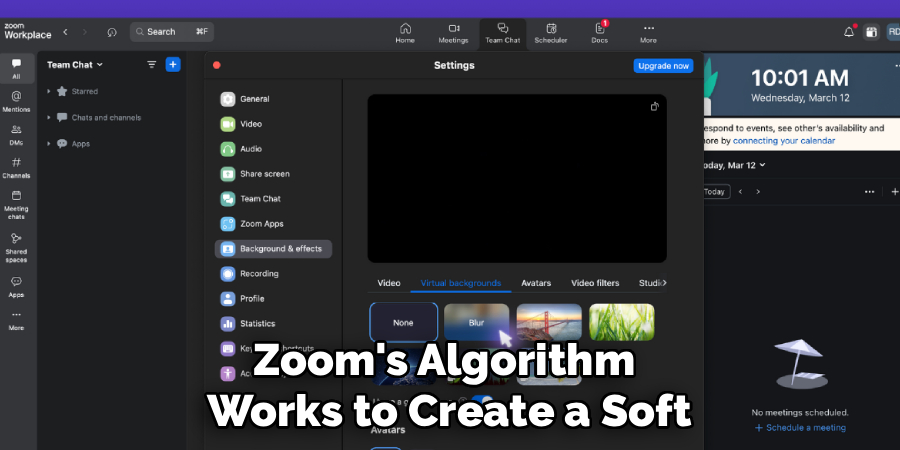
After navigating to the settings menu, you will see a list of tabs on the left side of the window. Locate and click on the “Backgrounds & Filters” tab. This action will open the specific pane where you can manage your virtual backgrounds and video filters. This is the creative hub for your video feed, offering a variety of ways to customize your on-screen appearance. The screen will be divided into a few key areas. You will see a preview of your webcam’s video feed, which shows you in real-time how any changes will look.
Below the video preview, you will find several pre-loaded virtual background options, including sample images and videos provided by Zoom. This is also where you will find the option to blur your surroundings. The blur effect is treated as a special type of virtual background. Look for a box that is explicitly labeled “Blur.” It will likely be positioned alongside the default image options and a “None” option, which shows your real background. Selecting this “Blur” option is the key to achieving the desired effect, and you can instantly see the result in the preview window.
Step 4: Select the Blur Option
Within the “Backgrounds & Filters” section, you will see a collection of virtual backgrounds. Alongside the default images and any custom ones you may have added, there is a specific option for blurring. It is represented by a thumbnail that depicts a faded, out-of-focus scene and is clearly labeled “Blur.” Click on this thumbnail to select it. As soon as you click it, you will see an immediate change in the video preview window above. Your background will instantly become obscured, while you remain sharp and in focus in the foreground.
This feature uses software to intelligently distinguish you from your surroundings, applying a professional-looking depth-of-field effect. Zoom’s algorithm works to create a soft, indistinct backdrop that removes distractions without requiring any physical equipment like a green screen. If your computer does not meet the minimum system requirements, you may see a notification prompting you to download the “Smart Virtual Background package” or indicating that the feature is not supported. In most modern systems, however, it should work seamlessly, providing a clean and effective way to hide your environment.
Step 5: Adjust Settings During a Meeting
You don’t have to configure your background blur before a meeting starts; you can also enable or change it while you are live in a call. This is incredibly useful if you join a meeting and realize your background is not ideal. To do this, look at the bottom toolbar of the Zoom meeting window. You will see an icon for “Start Video” or “Stop Video,” which typically looks like a small video camera. Next to this icon, there is a small upward-facing arrow or caret (^). Click on this arrow to open a pop-up menu with several video-related options.
From this menu, select “Choose Virtual Background…” or “Blur My Background” if the option is directly available. Selecting “Choose Virtual Background…” will open the same “Backgrounds & Filters” settings window that you accessed from the main dashboard, but it will appear overlaid on your current meeting. From there, you can simply click on the “Blur” option to apply it instantly. This on-the-fly adjustment capability ensures you can maintain a professional appearance at all times, even if you need to make a last-minute change. It’s a flexible feature designed for the dynamic nature of virtual collaboration.
Step 6: Ensure Your System Meets the Requirements
For the background blur feature to function correctly, your device needs to meet certain technical specifications. Zoom relies on your computer’s processor to distinguish you from your background, which can be resource-intensive. If the blur option is not visible or doesn’t work, likely that your system does not meet the minimum requirements. For example, Windows users generally need a 4th-generation Intel i5 quad-core processor or higher and the Zoom desktop client version 5.5.0 or newer. Similarly, macOS users will need a compatible processor and a recent version of the Zoom client.
You can find a detailed list of system requirements on the official Zoom support website. Checking this list is a crucial troubleshooting step if you encounter any issues. If your computer is older or has a less powerful processor, the blur feature might be laggy, choppy, or simply unavailable. In some cases, Zoom may prompt you to download a smart virtual background package, which can help the feature run on systems that are slightly below the ideal specifications. Keeping your Zoom client updated is also essential, as new updates often include performance improvements and wider hardware compatibility.
Step 7: Disabling the Blur Feature
There will be times when you want to show your actual background, and turning off the blur effect is just as simple as turning it on. Whether you are in a meeting or in the settings menu, the process is the same. Navigate back to the “Backgrounds & Filters” settings. You can do this by clicking the arrow next to the video icon during a meeting and selecting “Choose Virtual Background…” or by accessing the settings from the main dashboard. Once you are in the “Backgrounds & Filters” pane, you will see the gallery of virtual background options.
To disable the blur, simply select the “None” option. This is usually the first choice in the list of available backgrounds. Clicking on “None” will immediately remove the blur effect and revert your video feed to show your real-time physical surroundings. The change will be reflected instantly in your video preview. This allows you to easily toggle the feature on and off as needed, giving you full control over your visual presentation in every meeting. It is a good practice to check your background setting before joining a call to ensure it is set to your preference.

Follow these detailed instructions on how to blur bg in zoom to enable the background blur feature on your device. The process is straightforward and can be completed in just a few minutes, either before you join a meeting or while you are already in one.
Common Mistakes to Avoid
- Using an outdated version of the Zoom app, which may not support the feature.
- Sitting in front of a window or a very bright light can interfere with the software.
- Wearing clothing that is the same color as your background causes you to blend in.
- Moving too quickly, which can cause the blur effect to lag or appear choppy.
- Forgetting to check if your computer’s hardware meets the minimum system requirements.
Frequently Asked Questions
Q1: Why Is the Blur Option Not Showing Up in My Zoom?
A1: If the blur option is not visible, it is likely due to one of two reasons. First, your computer may not meet the minimum system requirements needed to run the feature. The blur effect requires a certain level of processing power to distinguish you from your background. Second, you might be using an outdated version of the Zoom desktop client. Ensure you have the latest version installed by checking for updates within the application. You can find the specific hardware requirements on Zoom’s official support page.
Q2: Can I Use the Blur Background Feature on My Mobile Device?
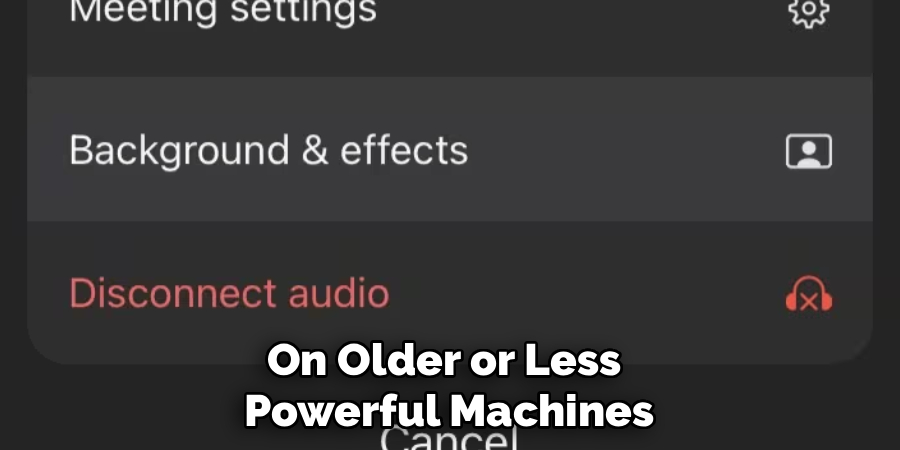
A2: Yes, the background blur feature is available on the Zoom mobile app for both iOS and Android devices. The steps are similar to the desktop version. During a meeting, tap the “More” option (three dots) in the bottom-right corner of the screen. From the menu that appears, select “Backgrounds and Filters” (or “Virtual Background” on some devices). You will then see the “Blur” option, which you can tap to enable. Keep in mind that the feature’s availability and performance can depend on your specific phone or tablet model.
Q3: Does Using a Blurred Background Affect My Computer’s Performance?
A3: Yes, using a blurred background or any virtual background can consume more of your computer’s CPU resources compared to a normal video stream. This is because your computer’s processor is actively working to separate you from your background in real-time. On older or less powerful machines, this may lead to higher fan noise, increased battery consumption, or even a slight lag in the video feed. If you experience performance issues, closing other resource-heavy applications can help improve Zoom’s performance.
Conclusion
The ability to blur your background in Zoom is a small but powerful feature that can significantly enhance your virtual meeting experience. It provides privacy, removes distractions, and helps you maintain a professional and polished image, regardless of your physical environment. By following the simple steps outlined in this guide on how to blur bg in zoom, you can easily master this tool and apply it in seconds, whether before or during a call.
Taking the time to present yourself professionally demonstrates respect for your colleagues and clients. Embracing features like background blur is an easy way to elevate your virtual presence and ensure that the focus of every meeting remains on your message and contributions. Make it a regular part of your video conferencing routine to consistently put your best foot forward.
